Italy
Italy
Rome, a European country with a long Mediterranean coastline, had a considerable influence on Western culture and cuisine. Its capital, Rome, is home to the Vatican, ancient ruins and iconic works of art. Other important cities are Florence, with Renaissance masterpieces such as Michelangelo’s «David» and Brunelleschi’s Dome; Venice, the city of canals; and Milan, the Italian capital of fashion.
It has been the home of many European cultures such as the Nuragic civilization, the Etruscans, the Greeks, the Romans and it was also the cradle of Humanism and the Renaissance, which began in the Tuscany region and soon spread throughout Europe.
The cultural heritage of Italy, the cradle of the Roman Empire and the Renaissance, is overwhelming: Michelangelo’s David and the frescoes in the Sistine Chapel, The Birth of Venus and Botticelli’s Spring or Da Vinci’s Last Supper are just some examples. In fact, Italy has more World Heritage sites than any other country on the planet.
If something characterizes the Italian idiosyncrasy, it is an unequivocal inclination for the beautiful vita, for enjoying the good things in life. You just have to let yourself go and get infected with the tranquillity that permeates the atmosphere of Italy.
Italy is also famous for its exquisite cuisine; you can find from rustic menus to the highest sophistication and creativity.
Here are some of the most distinguished restaurants in the world, included in the list of the 50 best of San Pellegrino and awarded with Michelin stars.
It also has a high-quality wine that you can taste with one of its magnificent menus or in one of the various vineyards.
Italy is itself a work of art of nature, offering extraordinary diversity. You can travel from alpine ice and glacial lakes in the north to volcanic craters and turquoise grottoes in the south.
Rome is located on the western coast of central Italy along the Tiber River. The capital of the Lazio region is Italy’s largest city with a population of 2.654.100 and over 2.600 years of richness in art, history, architecture, monuments and culture.
The city extends over six other hills:
1. Quirinale which features Scuderie, the president´s Palazzo del Quirinale, and the Piazza Omonima with its colossal statues of the gods, Castor and Pollux, on its summit.
2. The smaller Viminale which is split into two by Via Nazionale, and dominated by the huge Palazzo delle Esposizioni on the most beautiful Piazza della Repubblica with its restored Fontana delle Naiadi in its centre.
3. Esquilino, also known as ‘exquilini’, is home to the great poets Virgilio and Orazio, as well as, Monte Oppio where the ruins of Domus Aurea are located.
4. Celio, in the south, is possibly the greenest of all the hills and is home to Parco del Celio and Villa Celimontana, as well as, a long promontory called Monte delle Querce after its once many oak trees (querce). There are many beautiful buildings along the magnificent Appia Antica, though most are places of worship.
5. Aventino has many important medieval monuments such as the Santa Maria in Cosmedin basilica, where the famous Bocca della Verità is housed.
6. Capitolino, which was the Rome´s religious and political centre during the Roman era, is dominated by the Michelangelo styled Piazza del Campidoglio with a statue of Emperor Marcus Aurelius on horseback in the centre.
It is also home to the Capitoline Museums with some of the most precious art collections in the world.
There is flat out more to see here than any other place in the world.
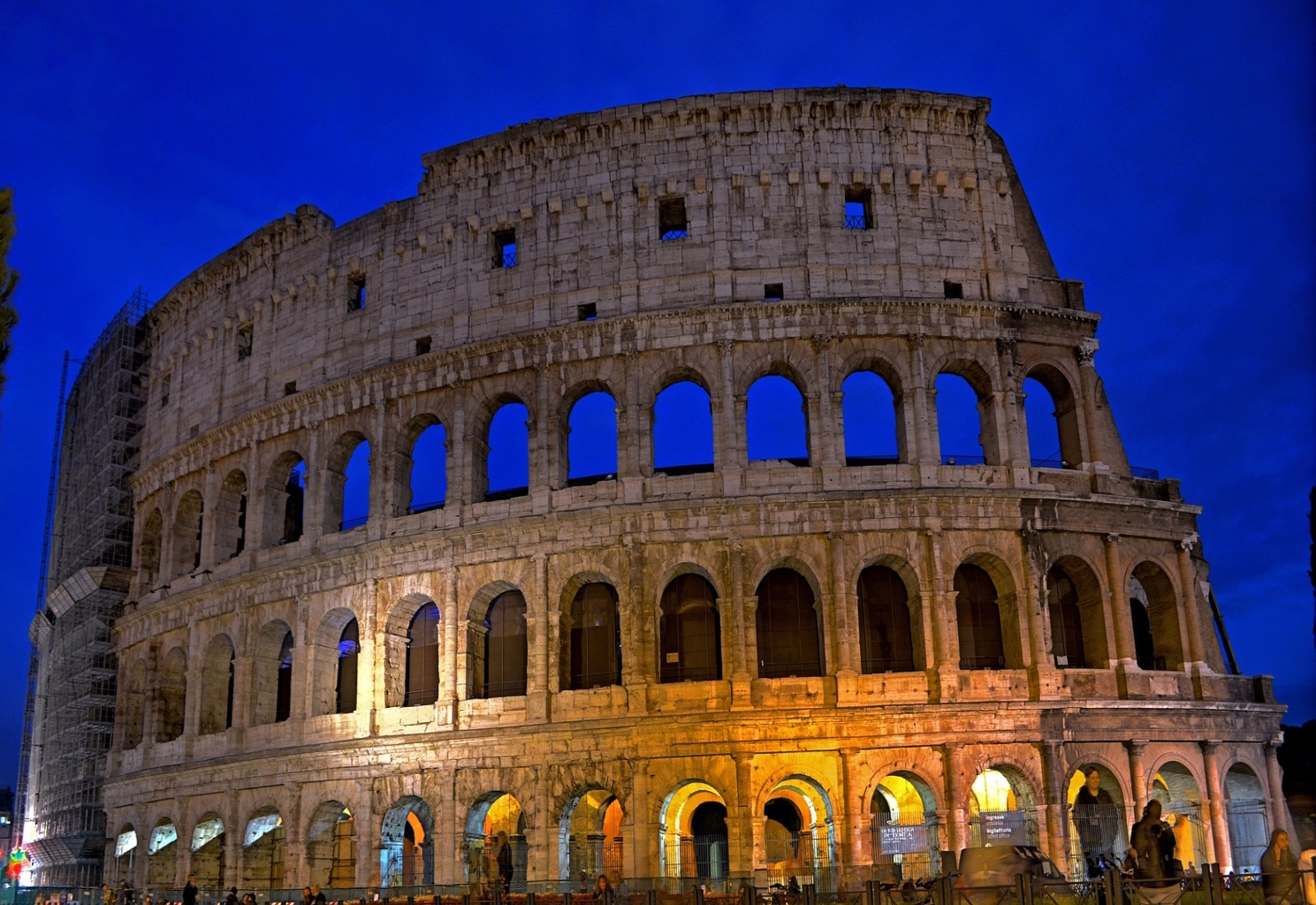
Rome offers numerous breath-taking sights, with such famous monuments as the 1st century Colosseum, the Forum, the Circus Maximus, the Baths of Caracalla and Catacomb, and the well-preserved Pantheon temple in Piazza della Rotonda.
From the Renaissance-Baroque came the extravagant Vatican City and St. Peter’s Basilica’s very lavish church which attracts thousands of visitors to see its beautiful paintings and architecture.
The Spanish Steps are just apart from the many temples, Christian basilicas, Romanesque churches, Renaissance palazzi, numerous piazzas, parks, museums and fountains constructed in Rome, to form one of the world’s most beautiful cities.
Try taking a leisure stroll through the streets of Via Condotti and Via Veneto in the centre, filled with several elegant stores, or even along the Roman Forum, Largo Romolo e Remo.
Rome has an atmosphere unlike no other city, especially in the summer. Is a fascinating and energetic capital which also offers relaxation within its many coffee shops, fabulous restaurants, casual city spots, squares and parks. Trastevere, home of the historic Santa Maria Trastevere, is undoubtedly one of the most vibrant areas of Rome with its hot night spots like Trastè.
Plus, the Prenestino and Tiburtino university areas, not far from S. Lorenzo, have a wide variety of pizzerias and bars. Its intense blend of culture and entertainment shall make your stay in Rome unforgettable.
The Rome-Fiumicino International Airport, officially named Leonardo da Vinci International Airport, is located 34 kilometers from the historic center of Rome.
Do not hesitate!!!! Come to Italy to have a memorable experience!!!